10 Cheap Houseplants That Forgave Every Mistake I Made as a Beginner
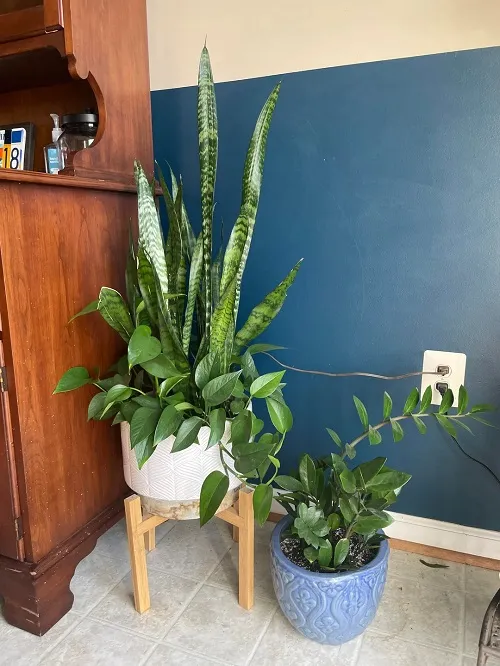
Photo: affordable pothos and snake plants on shelf at garden center, via succulentgardenweb.com
Every confident plant parent started exactly where you are: standing in the garden center with $20 in their pocket, wondering which plant won't die on the drive home.
Here's the good news — the best beginner plants are also the cheapest. Big-box stores like Walmart, Home Depot, and Lowe's, plus grocery stores like Trader Joe's, stock proven survivors at rock-bottom prices. Your first assignment at Houseplant Academy: start cheap, learn fast, upgrade later.
Here are ten plants that earn their spot, rated on our difficulty scale from 🌱 (nearly unkillable) to 🌱🌱🌱 (needs some attention).
1. Pothos — 🌱
The undisputed champion of beginner plants. Tolerates low light, missed waterings, and general chaos. What kills it: consistently soggy soil. Pro tip: chop a vine, drop it in water, and in a few weeks you've got a free new plant — the fastest confidence builder in the hobby.
2. Snake Plant — 🌱
Architectural, tough, and happy to be ignored for weeks. Handles dim corners and dry air. What kills it: overwatering — root rot is about the only way to lose one. Pro tip: water every 3–4 weeks in winter and it'll genuinely thank you.
3. Spider Plant — 🌱
Often under $6, produces baby "spiderettes" you can pot up and gift. What kills it: fluoride-heavy tap water can brown the tips (let water sit out overnight). Pro tip: those babies root easily in water — free plants for your whole friend group.
4. Heartleaf Philodendron — 🌱
Pothos's slightly classier cousin. Trails beautifully and forgives irregular care. What kills it: cold drafts. Pro tip: give it something to climb and the leaves will grow dramatically bigger.
5. ZZ Plant — 🌱
Glossy, sculptural, and drought-proof thanks to water-storing rhizomes. Thrives under office fluorescents. What kills it: watering on autopilot. Pro tip: wear gloves when repotting — the sap can irritate skin.
6. Golden Pothos 'Neon' — 🌱
Same bulletproof constitution as regular pothos with a chartreuse pop that looks expensive. What kills it: direct scorching sun. Pro tip: brighter (indirect) light = more vivid color.
7. Chinese Evergreen — 🌱🌱
Gorgeous patterned foliage for under $10, and remarkably tolerant of low light. What kills it: cold windowsills in winter. Pro tip: wipe the leaves monthly — dust genuinely slows growth.
8. Rubber Plant — 🌱🌱
A statement tree for the price of a pizza. What kills it: moving it around constantly — it hates change. Pro tip: rotate it a quarter-turn weekly for even growth.
9. Aloe Vera — 🌱
Sun-loving succulent with a first-aid bonus for kitchen burns. What kills it: love, in watering-can form. Pro tip: terracotta pot, gritty soil, and near-total neglect.
10. Tradescantia (Wandering Dude) — 🌱
Fast-growing, colorful, and nearly impossible to frustrate. What kills it: getting leggy from too little light. Pro tip: pinch the tips to keep it bushy instead of scraggly.
Where to Find Them Cheap
Beyond the big-box stores, check Facebook Marketplace, local plant swaps, library giveaways, and grocery store clearance racks. And always scan the markdown section — a pothos with one yellow leaf is a bargain, not a lost cause.
Skip These (For Now)
A few cheap plants are cheap for a reason — they're heartbreak machines:
- Calatheas — gorgeous, inexpensive, and dramatic about humidity. They'll crisp up on you no matter what you do.
- Fiddle-leaf figs — cheap at big-box stores but notoriously fussy. Save this one for plant parent level two.
- Maidenhair ferns — they demand rainforest humidity most US homes simply don't have.
- Succulent dish gardens — cute gift arrangements glued with gravel and planted too deep. They rarely survive the month.
Start with the survivors on this list, keep them alive for a season, and you'll have earned the right to bring home something dramatic. Class dismissed — now go get your hands dirty.