Passport Stamps for Your Plant Shelf: What 7 Global Houseplants' Hometowns Teach You About Watering, Light, and Soil
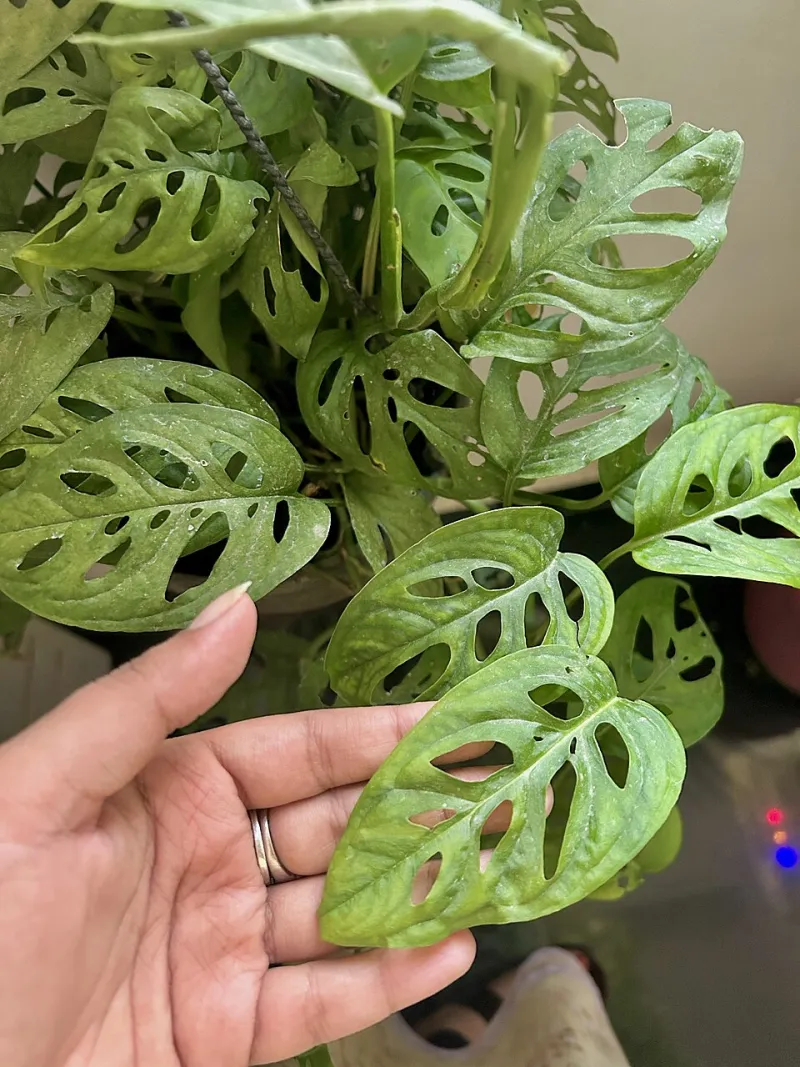
Photo: Mdndurrani, CC BY-SA 4.0, via Wikimedia Commons
Here's a secret they don't put on the care tag: every houseplant in your local garden center is a traveler. That snake plant by the register? It grew up in arid West Africa. The Boston fern sulking in your bathroom? A creature of humid forest floors. Once you know where a plant calls home, its care instructions stop being a list of arbitrary rules and start making perfect sense.
Think of this as a semester abroad — no flight required. Seven stops, seven plants, and a whole new way of reading your shelf.
Stop 1: The Philippines — Pothos
Golden pothos climbs through tropical Southeast Asian forests, rooting along trees under a thick canopy while rain and humidity do the watering. Translation for your living room: pothos wants bright, indirect light (it evolved under leaves, not direct sun) and soil that dries slightly between drinks but never turns to dust.
If your pothos leaves are yellowing at the tips, it's probably not begging for more attention — it's likely overwatered in a spot that's darker than a rainforest understory. Move it closer to a window, let the top inch of soil dry out, and it'll forgive you fast. This is one exchange student that thrives on a relaxed schedule.
Stop 2: South Africa — Jade Plant
Jade plants come from rocky slopes in the Eastern Cape, where rain shows up in seasons and the sun is relentless. Succulent leaves are basically water canteens, which is why jade plants shrug off a forgotten week — and why they rot when you fuss over them.
Give yours your sunniest windowsill, a gritty, fast-draining cactus mix, and water deeply but rarely. In a US home, that usually means every two to three weeks, even less in winter. If the leaves wrinkle slightly, that's the plant tapping its reserves — a cue to water, not a crisis.
Stop 3: West Africa — Snake Plant
The plant your grandma grew on her windowsill is native to drought-prone regions of Nigeria and surrounding areas, where it stores moisture in those upright blades. Its infamous hardiness isn't luck; it's adaptation.
Snake plants tolerate low light because in the wild they live in the shade of larger plants, but they'll grow faster with medium to bright indirect light. The one non-negotiable: drainage. Water sitting on those roots in a ceramic pot with no hole is the fastest way to lose one. When in doubt, wait another week.
Stop 4: Central and South America — Monstera
Monstera deliciosa climbs rainforest trees from southern Mexico into Central America, producing those famous fenestrations (the splits and holes) as it matures to let light and wind pass through its broad leaves.
What does that mean for your apartment? Bright, filtered light, a chunky soil mix with bark or perlite so air reaches the roots, and — if you want real growth — a moss pole to mimic the tree trunk it's always reaching for. A monstera in a bright corner with something to climb will reward you with leaves the size of dinner plates.
Stop 5: The Brazilian Rainforest — Philodendron Brasil
That striped heartleaf philodendron is another canopy climber, hailing from humid tropical forests where it trails and twines up trunks. It wants the same conditions its cousins enjoy: warmth, moderate to bright indirect light, and consistently (not soggily) moist soil.
The variegation — those lime and green stripes — needs a bit more light than the all-green version to stay vibrant. In a dim hallway, it'll revert toward plain green. Keep it within a few feet of a window and it'll stay dressed for the occasion.
Stop 6: The Mediterranean and East Africa — Aloe Vera
Aloe thrives in rocky, well-drained soils with long dry spells and intense sun. If your aloe is going brown and mushy, it's not sunburned — it's drowning.
In most US climates, aloe wants a south- or west-facing window, a terra cotta pot (the porous clay wicks away excess moisture), and watering only when the soil is bone dry. If you live somewhere like Arizona or Southern California, it can even summer outdoors. Just bring it in before the first frost — aloe has no interest in a Midwest January.
Stop 7: The South Pacific — Parlor Palm
Parlor palms hail from the shaded rainforests of Mexico and Central America, which is exactly why they became Victorian-era parlor staples: they handle the low light of a dim East Coast apartment better than almost anything else.
Keep the soil lightly moist, shield it from harsh direct sun (its leaves burn easily — they never evolved for it), and boost humidity with a pebble tray or a spot near a humidifier. Brown leaf tips usually mean dry air, not bad parenting.
The Takeaway: Read the Habitat, Not Just the Care Card
Here's the pattern you've probably noticed by now: rainforest plants want humidity, indirect light, and airy soil. Desert and dryland plants want sun, drainage, and restraint with the watering can. Nearly every care problem traces back to a mismatch between your home and the plant's homeland.
You can't recreate the Philippines in Ohio — but you can pick the right plant for the light you actually have, water based on where it came from rather than a calendar, and pot it in a mix that mimics its native ground. That's the whole curriculum. Your plants already studied abroad; now you know how to host them.


