Hand Out the Watering Can: Turning Chores into Plant Care Lessons Your Kids Will Actually Learn From
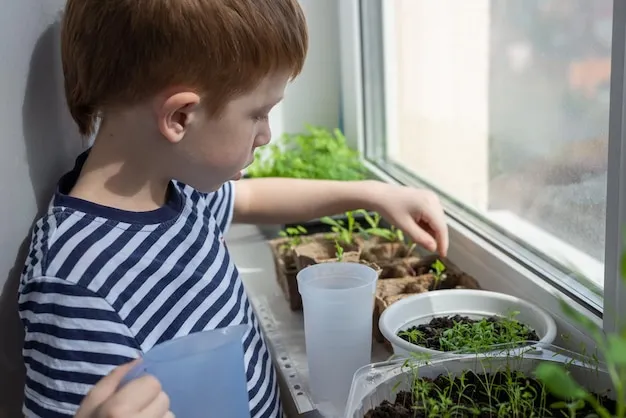
Photo: child watering houseplant windowsill family, via img.freepik.com
Let's be honest: most chore charts end up on the fridge for two weeks before they quietly become wallpaper. But plant care is different. A chore is a task; a plant is a dependent. When your kid waters a pothos, they're not just checking a box — they're keeping something alive. That shift from doing a job to having a student is where the real learning happens.
At Houseplant Academy, we think of plants as the most patient teachers in the building. They don't lecture, they don't nag, and they give second chances (most of them, anyway). Here's how to turn your windowsill into a family classroom, one semester at a time.
Why Plants Beat Every Other Chore
A dog needs a walk right now. Dishes pile up and demand attention. But a snake plant? It'll wait a week, maybe two, and forgive you. That built-in grace period makes plant care the ideal on-ramp to responsibility — mistakes happen slowly, and consequences show up as a droopy leaf rather than a household emergency.
Plants also teach something most chores can't: biology you can watch. Your kid will see a new leaf unfurl, roots appear in a glass of water, and yes, occasionally what happens when you love something with too much water. That's a science lesson that doesn't need a worksheet.
Grade-Level Plant Jobs: Assigning the Right Curriculum
Not every kid is ready for the same coursework. Match the job to the developmental stage, not the birthday.
Kindergarten–1st Grade: Watering Duty (with Supervision)
The job: one plant, one small cup, once a week. Pick something dramatic that shows when it's thirsty — a peace lily droops like a soap opera character, which makes cause and effect obvious.
The lesson: observation. Ask questions like "Does the soil look dark or light?" or "Does it feel wet or dry?" You're building the habit of checking before acting, which is basically the entire skill set of plant parenthood.
Kid-proof starter picks: pothos, peace lily, spider plant. All forgiving, all fast enough to show progress.
2nd–3rd Grade: Misting, Dusting, and Rotation
Now we add fine motor work and a little more autonomy. Dusting leaves with a soft cloth (real job, kids love it) teaches that leaves are how plants eat — a mini photosynthesis lesson disguised as a chore. Rotating pots a quarter turn each week introduces the idea that plants lean toward light.
The lesson: plants respond to their environment. Your kid is learning to notice things.
4th–5th Grade: The Feeding and Monitoring Track
Upper elementary kids can handle a watering schedule for two or three plants, plus a monthly feeding during the growing season. Hand them a simple moisture meter or teach the classic finger test, and let them keep a small journal — date, plant, what they did, what they noticed.
The lesson: record-keeping and long-term thinking. A jade plant watered correctly in October looks better in March, and your kid just learned about delayed gratification without a single lecture.
Middle School: Propagation Projects and Plant Independence
Here's where it gets fun. A middle schooler can take a pothos or heartleaf philodendron cutting, root it in a jar of water on the kitchen counter, and watch roots emerge over two to three weeks. It's a genuine biology experiment, a science-fair candidate, and — when the rooted cutting goes into soil and becomes a gift for a grandparent or teacher — a genuine source of pride.
The lesson: life cycles, patience, and the very grown-up idea that you can create something living from almost nothing.
The Plant Care Progress Report
Borrow a page from actual school and send home a report card. We've built a simple printable version you can tape to the fridge or tuck into a binder:
Plant Care Progress Report
- Student: ________________
- Plant: ________________
- Attendance (watering on schedule): ★★★★★
- Observation skills (noticed changes, asked questions): ★★★★★
- Gentle hands (handling leaves, stems, pets, siblings): ★★★★★
- Patience (didn't overwater to "help"): ★★★★★
- Teacher's comments: ________________________
Two things to keep in mind when you use it:
- Grade effort, not outcomes. If the fern dies, but your kid checked it every day, that's an A in effort and a lesson in plant selection. Save the ferns for later.
- Do it monthly, not weekly. Plants grow on their own timeline, and monthly reviews keep the focus on trends instead of nitpicking a single missed watering.
Choosing Plants That Survive the Learning Curve
The fastest way to kill a kid's enthusiasm is handing them a finicky calathea and watching it crash and burn. Your family classroom needs durable faculty:
- Pothos — the gold standard. Tolerates over- and underwatering, roots from cuttings in plain water, grows fast enough to be exciting.
- Spider plant — produces babies your kid can pot up themselves, which is basically extra credit.
- Snake plant — nearly unkillable, great for the forgetful phase every new student goes through.
- Jade plant — slow, sturdy, and long-lived enough that a fourth grader's jade can still be around at their high school graduation. Now that's a capstone project.
Skip anything labeled "fussy," "high humidity," or "challenging" until your student has a few semesters under their belt.
When the Semester Doesn't Go Well
Some kids will lose interest, and that's fine — interest in plant care tends to come back around, especially when a cutting suddenly grows roots. If a plant gets neglected, resist the urge to take over silently. Instead, make it a diagnostic exercise: "What do you think happened? What would you do differently next semester?"
That's the real curriculum, after all. Not perfect plants — kids who know how to observe, take responsibility, learn from a mistake, and try again. The houseplants are just the teaching assistants.
Extra credit: Once your family's plant care routine is running smoothly, put your newest graduate in charge of picking the next plant for the classroom. Reading a plant tag at the garden center and making a case for why it belongs in your home? That's advanced placement.