Roll Call, Not Perfection: Why One Missed Watering Won't Fail Your Plants

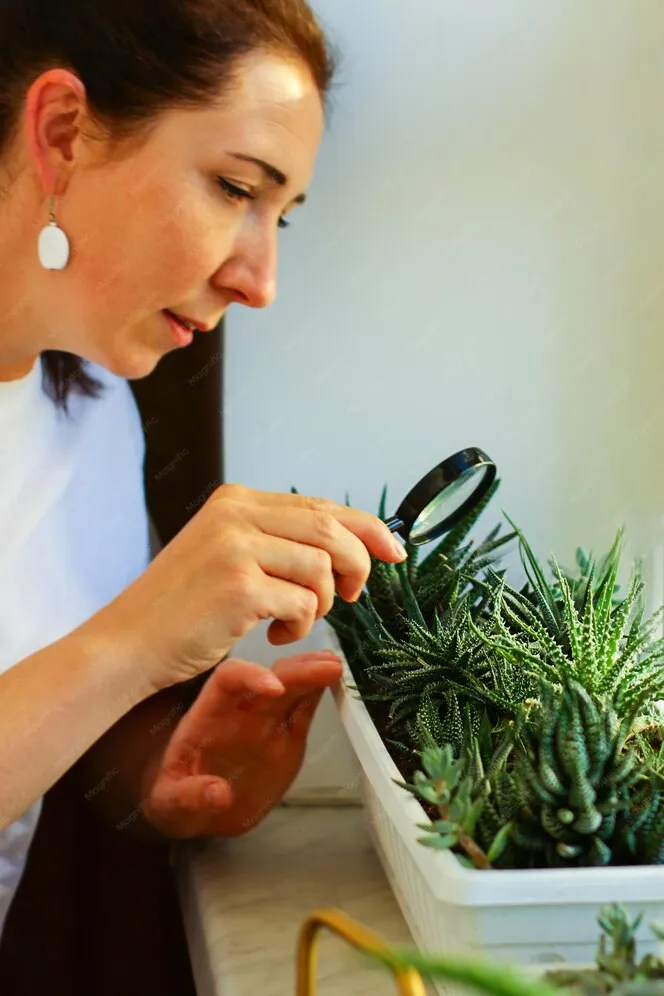
Photo: Wilfredor, CC0, via Wikimedia Commons
You missed a watering. It's been eight days instead of five, and your pothos is giving you the look — slightly droopy, a little dramatic, like a kid who wasn't picked up from soccer practice on time.
Here's the guilt-free news: that single missed session probably didn't matter. What matters — what actually decides whether your plants thrive or merely survive — is the pattern. One absence is a slip. Chronic unpredictability is a problem.
Plants Are Fine With Late. They're Terrible With Random.
Think of your houseplants like students who never skip class but occasionally show up a few minutes late. A pothos that gets watered every 7 days, then 9, then 7 again? Totally fine. A pothos that gets drenched on a whim, forgotten for two weeks, then flooded out of guilt? That's the plant equivalent of an all-nighter before finals — and no one does their best work that way.
The research-backed reality is that roots need a rhythm: a wet phase, a dry-down phase, oxygen moving through the soil. Erratic care scrambles that cycle. Roots sitting soggy for days after a guilt-watering rot. Roots left bone dry in a hot apartment near a radiator desiccate. The oscillation between the two is what actually kills houseplants — far more often than any single late watering ever will.
So if you've been beating yourself up over a busy week at work, take a breath. Your monstera isn't keeping a grudge ledger.
Take Attendance Instead of Chasing Perfection
Here's the system we teach in our Care Fundamentals track, and it takes about 30 seconds a week: treat your plant shelf like a classroom and take roll.
Get a simple notebook, a notes app, or a printable grid taped inside a cabinet door. Once a week — pick a day, any day — walk past every plant and mark one of three symbols:
- P — Present: soil checked, watered if needed
- L — Late: got watered, but past its usual window
- A — Absent: skipped entirely this week
That's it. No app subscriptions, no moisture meters required for beginners, no elaborate spreadsheet. The magic isn't in the record-keeping — it's in what the record shows you after a month.
Reading Your Own Report Card
After four weeks, look at your sheet. The pattern tells you everything:
Mostly P's with one L? You're doing great. Your plants are on a rhythm, and the occasional late day is just life — a work trip, a sick kid, a long weekend in Door County. Nothing to fix.
A string of A's for the same plant? That's not forgetfulness; that's a placement problem. Nine times out of ten, the plant you keep skipping is the one tucked somewhere you never walk — a back bedroom, a dim hallway. Either move it into your daily line of sight or honestly ask whether it belongs in your collection right now.
Random P's and A's with no pattern at all? That's the chronic inconsistency zone, and it's the one worth correcting. The fix isn't more discipline — it's fewer decisions. Cluster your plants by thirst level: put all your thirsty tropicals together near one sink, and your drought-tolerant crew (snake plants, ZZs, pothos) somewhere they can wait an extra week without complaint. When watering day arrives, you handle one group at a time instead of playing whack-a-mole across the whole apartment.
Build a Rhythm You'd Actually Keep
The best watering schedule is the one that survives your real life. A few things that help:
Anchor it to something you already do. Sunday coffee, trash night, the day your groceries arrive. Habits stick when they piggyback on existing ones.
Check, don't water. Make the weekly habit touching the soil, not automatically pouring. Two inches down and dry? Water. Still damp? Mark a P and move on. This one shift prevents more overwatering deaths than any gadget on the market.
Lower the stakes for absences. Going on vacation? Give thirsty plants a good soak the day before, pull them back from bright windows, and let the drought-tolerant crowd fend for themselves. Most common houseplants would rather be a little thirsty for a week than sit in soggy soil while you're gone.
Your Weekly Roll Call Checklist
Copy this into your notes app or scribble it on a sticky note:
- Pick your check-in day (coffee Sunday works for a reason)
- Walk the shelf, plant by plant — no skipping the stragglers
- Finger-test the soil two inches down
- Water only what's actually dry
- Mark P, L, or A for each plant
- Once a month, scan the sheet for patterns — and adjust placement or grouping, not your guilt level
The Grade That Matters
Plants don't hand out perfect attendance awards. They reward reliability — a rhythm their roots can count on, with room for the occasional late day. So the next time you miss a watering, don't spiral. Mark the L, water when you can, and look at the month as a whole.
One absence is a hiccup. A pattern is a signal. Learn to tell them apart, and you'll stop parenting out of guilt and start parenting out of rhythm — which is, incidentally, exactly how confident plant parents are made.