Before You Adopt That Pothos: A Plant Admissions Interview (Take It to the Garden Center)
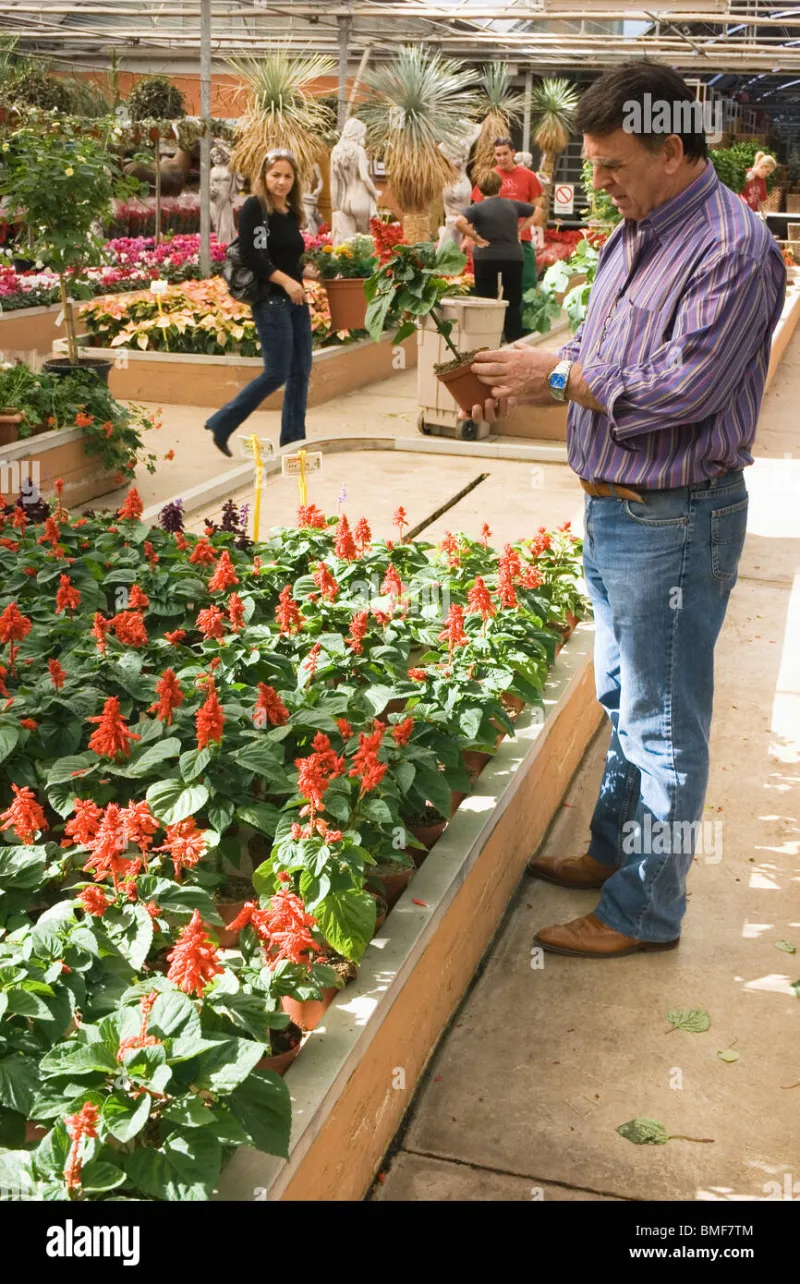
Photo: person choosing houseplant at garden center nursery aisle, via c8.alamy.com
Here's a secret the garden center doesn't want printed on a tag: most houseplants don't die from neglect. They die from a bad match. Somebody with a dim apartment and a packed travel schedule brings home a fiddle-leaf fig, and six weeks later everyone's asking what went wrong. Nothing went wrong — the applicant just never should have been admitted.
So let's flip the process. Instead of asking "what plants are good for beginners?" (a question with the same answer in every listicle on the internet), ask: is this specific plant a fit for this specific home? That's an admissions decision, and like any good admissions office, it needs criteria, an interview, and yes, the occasional rejection letter.
The Three Admissions Criteria
Forget the "easy vs. hard" labels. Every plant gets evaluated on three things:
1. Light availability. Not the light you wish you had — the light you actually have. A south-facing bay window and a north-facing apartment wall are two different campuses, and a plant that thrives at one will flunk out at the other.
2. Watering personality. Are you someone who notices your plants every day, or someone who remembers they exist on the third Sunday of the month? Neither is wrong, but both matter. A calathea needs a caregiver who checks in constantly. A snake plant needs one who checks in rarely.
3. Household safety. Pets, toddlers, or a curious cat with a taste for greenery? Then anything toxic goes in the "do not admit" pile, no matter how gorgeous the variegation. The ASPCA's plant toxicity list is free and worth bookmarking before every shopping trip.
The Pre-Admission Interview
Answer these five questions honestly before your next plant run. Grab a sticky note — this is your acceptance packet.
Question 1: How many hours of direct sun does your brightest window get?
- A) 4+ hours of sun streaming in, no obstructions
- B) A few hours, filtered through trees or a sheer curtain
- C) Honestly, my windows face a light well and a neighboring building
Question 2: When was the last time you forgot something routine?
- A) I set calendar reminders and I actually follow them
- B) I do fine on weekly rhythms but daily is a stretch
- C) I once found a grocery store receipt from March in my coat
Question 3: Who else lives with the plant?
- A) Just me, and I'm careful
- B) A dog and/or cat who chews on everything
- C) Small children with grabby hands
Question 4: What's your travel pattern?
- A) Home most weekends
- B) Gone a week or two every couple of months
- C) My suitcase has frequent flyer status
Question 5: How do you respond to a problem?
- A) I research it immediately and adjust
- B) I notice eventually and course-correct
- C) By the time I notice, we're past the point of intervention
Scoring Your Application
Mostly A's — Honors track. You can handle plants with opinions. Try a fiddle-leaf fig, an umbrella tree, or a calathea if your humidity cooperates. You'll actually enjoy the maintenance.
Mostly B's — Solid admit, right-fit placement. Pothos, philodendron, spider plants, and ZZ plants will thrive on your schedule. Skip anything labeled "consistently moist" — that phrase is a contract you won't keep.
Mostly C's — You belong with the succulents. And that's a compliment. Snake plants, pothos (yes, again — they're that forgiving), haworthia, and ZZ plants are built for your lifestyle. A cactus on a bright windowsill will outlast most of your New Year's resolutions.
Any C's on Question 3? Strike every toxic plant from your list regardless of your other answers — that includes pothos, philodendron, peace lilies, and jade plants. Safe swaps: spider plants, parlor palms, calatheas, and most peperomias.
Rejection Letters Worth Framing
Sometimes the kindest thing an admissions office does is say no. Here's what yours might look like:
Dear Fiddle-Leaf Fig: We regret to inform you that our north-facing windows and our applicant's 12-day travel schedule do not meet your exacting standards. We wish you a home with a skylight.
Dear Calathea: Your foliage is stunning, but our household humidity hovers at desert levels and our watering schedule is best described as "eventually." This is not you — it's us.
Dear Pothos: While you are a legendary survivor, our cat considers your leaves a snack. Regretfully, we must decline.
Print that last energy and bring it to the store. The impulse buy that dies in your kitchen costs more — financially and emotionally — than the perfect plant you walked past.
One Last Tip: Read the Syllabus Before Enrolling
Every plant comes with a tag. That tag is the syllabus — light requirements, watering needs, mature size. Most shoppers never read past the cover, which is how a cute 4-inch palm ends up blocking a window at six feet tall. Read the whole thing, including the part about how big it gets.
Admissions done right means fewer plant funerals, fewer $40 lessons, and a shelf full of green things that are actually thriving where they live. Take the quiz, honor the rejection letters, and enroll in plants you can graduate with.
Next lesson in Beginner Courses: bringing your new admit home and getting the first 30 days right.