The Study Group Effect: How a Plant Swap Circle Beats Any Garden Center
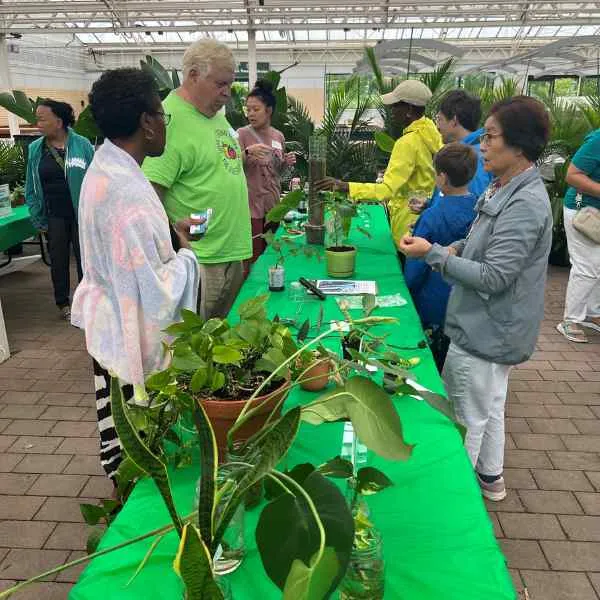
Photo: friends exchanging houseplant cuttings at community plant swap table, via hicksnurseries.com
Remember the last time you dropped $60 at a garden center for two plants and a bag of soil? Now imagine walking away with five new plants, cuttings of a monstera you've been coveting, and a friend who knows exactly why your calathea keeps crisping up — all for the price of a coffee.
That's the study group effect. Just like cramming for finals goes faster with classmates, plant care gets easier (and way cheaper) when you learn alongside other people. And the best study group in the plant world is a swap circle.
Why Trading Beats Buying
A $12 pothos at the big-box store is often a $0 cutting from someone's overgrown vine. Trade a few rooted pothos nodes for a string of pearls, and suddenly your collection doubles without your wallet noticing.
But the real value isn't just financial. When you trade plants, you trade knowledge. The person handing you that hoya will tell you it hates being repotted, that it blooms faster when rootbound, that it sulks if you move it. You can't get that from a care tag.
Finding Your People
You don't need to be an extrovert to build a swap circle. Start where plant people already gather:
- Facebook and Nextdoor groups. Search your city name plus "plant swap" or "houseplant exchange." Most metro areas have one — and if yours doesn't, you've just found your side project.
- Library bulletin boards and community centers. Libraries love free, community-driven events. A simple flyer with a date and a contact works.
- Local plant shops and coffee shops. Ask if you can pin a card. Independent cafés with a plant wall are natural allies.
- Reddit and Discord. r/houseplants swap threads and city-specific servers are great for connecting online before meeting up.
Start small. Three to six people meeting at a coffee shop or someone's backyard is plenty. Big public swaps are fun, but intimate ones are where real mentorship happens.
The Golden Rule: Quarantine Everything
Here's the lesson nobody teaches you until it's too late: pests travel on plants, and fungus gnats don't respect friendships.
Every plant that enters your home from a swap should spend two to three weeks in quarantine — a separate room, or at minimum a shelf far from your collection. During that window:
- Inspect weekly under leaves, in leaf axils, and along the soil line for webbing (spider mites), white cottony spots (mealybugs), or tiny flies (fungus gnats).
- Water less than usual. Stressed plants and damp soil invite problems.
- Consider a gentle shower or neem wipe-down on day one to knock off hitchhikers.
It feels paranoid the first time. Then someone in your group skips quarantine and spends six months battling thrips, and suddenly everyone's a believer.
What to Bring to Your First Swap
You don't need rare cultivars to participate. Beginners bring beginner plants, and that's the point. Good starter trade items:
- Rooted pothos, philodendron, or tradescantia cuttings (nearly foolproof)
- Spider plant or strawberry begonia pups
- Divisions of an overgrown snake plant or peace lily
- Propagation cuttings you've rooted in water
Bring more than you think you'll trade, label everything with the plant's name and your best care tip, and be honest about what's rooted versus fresh-cut.
The Syllabus for a Great Swap
Structure keeps things friendly. A simple format:
- Show and tell (10 minutes). Everyone shares one plant and one thing they've learned from it.
- Trading round. Go around the circle; each person offers what they brought. No haggling pressure — trades are mutual and voluntary.
- Problem clinic (15 minutes). This is the homework help portion. Bring your saddest plant or a photo of it, and let the group troubleshoot.
That problem clinic alone will teach you more than a dozen blog posts, because you're seeing real plants, real mistakes, and real fixes in one sitting.
Extra Credit: Keep the Momentum Going
Once your circle is established, level it up. Set a seasonal theme (spring division day, fall propagation prep). Do a group order of soil amendments or pest treatments to split costs. Track everyone's collections in a shared spreadsheet — yes, really — so trades can be arranged year-round.
The garden center will always be there when you need a bag of perlite. But the plants that come with a story, a friend, and a built-in tutor? Those only come from trading.
Your homework this week: post once in a local plant group or drop one flyer at a coffee shop. One message is all it takes to enroll in the best plant class you'll ever take — one where your classmates are the curriculum.