Tuition, Fees, and Fertilizer: The Real Cost of Being a Plant Parent (and How to Cut It)
Photo: Jonathan Hutchins , CC BY-SA 2.0, via Wikimedia Commons
Nobody hands you a bill when you adopt your first pothos. But make no mistake — plant parenthood has a tuition, and it's usually a lot steeper than the $12.99 price tag on that little plastic nursery pot.
At Houseplant Academy, we think budgets deserve the same honest syllabus as watering schedules and light maps. So let's open the financial aid office, tally up what this hobby actually costs, and figure out where beginners burn money for no good reason.
The Hidden Fees Nobody Mentions
The plant itself is rarely the expensive part. The add-ons are where things get sneaky:
- Decorative pots. That gorgeous glazed ceramic planter? $30–$60. Your plant genuinely does not care what it looks like.
- Grow lights. A decent full-spectrum LED runs $25–$80. Skip it and you'll pay for it in dead plants instead.
- Fertilizer and soil amendments. Small jars, big markups — especially the trendy branded stuff.
- Pest treatments. A spider mite outbreak can trigger a $40+ shopping spree of sprays, traps, and systemic granules.
- Humidity gear. Pebble trays, humidifiers, hygrometers. Some are worth it; most are optional.
- Shelving and accessories. Plant stands, watering cans with long spouts, moisture meters. Nice, not necessary.
Individually, each purchase feels reasonable. Together, they're the difference between a $50 hobby and a $500 one.
Where Beginners Waste the Most
After plenty of observation (and personal experience), the biggest money sinks are predictable:
- Buying plants before they have a home for them. A new plant without the right light is a purchase you'll make twice.
- Designer pots for every plant. One or two statement pots are fine. Nursery pots inside cache pots cost a fraction as much and work identically.
- Premium fertilizer brands. A basic balanced liquid fertilizer does the same job as the boutique bottle with the minimalist label.
- Impulse pest products. Half the sprays people panic-buy aren't labeled for indoor use or the pest in question. One targeted product beats five random ones.
Your Course Load: Three Budget Tiers
Think of it like choosing your class schedule. Here's a realistic first-year budget at three commitment levels.
The Audit Track — About $75
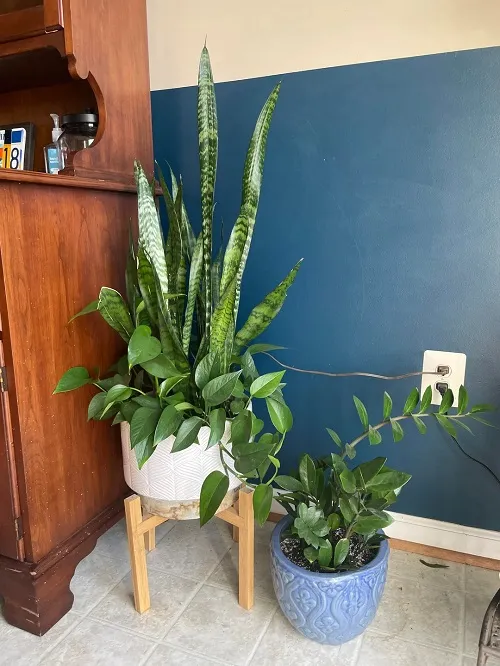
You're dipping a toe in. Three to four hard-to-kill plants (pothos, snake plant, ZZ), nursery pots, one bag of quality potting mix, and a small bottle of balanced fertilizer. Free light: your windowsills. Total cost of ownership: low. Regret rate: also low.
The Full-Time Student — About $200
Six to eight plants, a few mid-range pots, one budget grow light for a darker corner, fertilizer, and a small pest-treatment starter kit so you're not panic-buying later. This is the sweet spot for most beginners.
The Overachiever — $400+
A plant shelf, multiple grow lights, humidity support, propagation station, and a growing collection. Perfectly valid — just know that most of this spending is for you, not the plants. The plants would be fine on the Audit Track.
Six Swaps That Save Money Without Hurting a Single Leaf
- Nursery pot inside a cache pot. You get the look for $5 instead of $45, and drainage stays simple.
- Thrift store planters. Goodwill and yard sales are full of ceramic pots for pocket change. Just check for a drainage hole or plan to drill one.
- One fertilizer, used correctly. A single balanced liquid feed covers 95% of houseplants. Dilute per the label and stop buying specialty formulas.
- DIY pest prevention. Regular leaf-wiping, quarantine for new plants, and a shower rinse beat most store-bought prevention products.
- Propagation as your plant source. Cuttings from friends, plant swaps, and local Facebook or Buy Nothing groups are how you grow a collection for free. (We cover the whole grading rubric in our propagation course.)
- Buy small. A 4-inch plant costs a third of the 6-inch version and catches up faster than you'd expect.
The One Expense Worth Keeping
If you take away a single financial lesson, make it this: spend on light and soil, save on everything else. A $30 grow light that keeps five plants alive is a better investment than a $90 shelf displaying three slowly dying ones.
Plant parenthood doesn't have to be an expensive elective. Audit your spending the same way you'd audit your care routine — figure out what's actually working, cut what isn't, and reinvest in the fundamentals. Your plants (and your bank account) will graduate with honors.