Study Abroad for Your Plants: The Complete Guide to a Safe Summer Vacation Outdoors
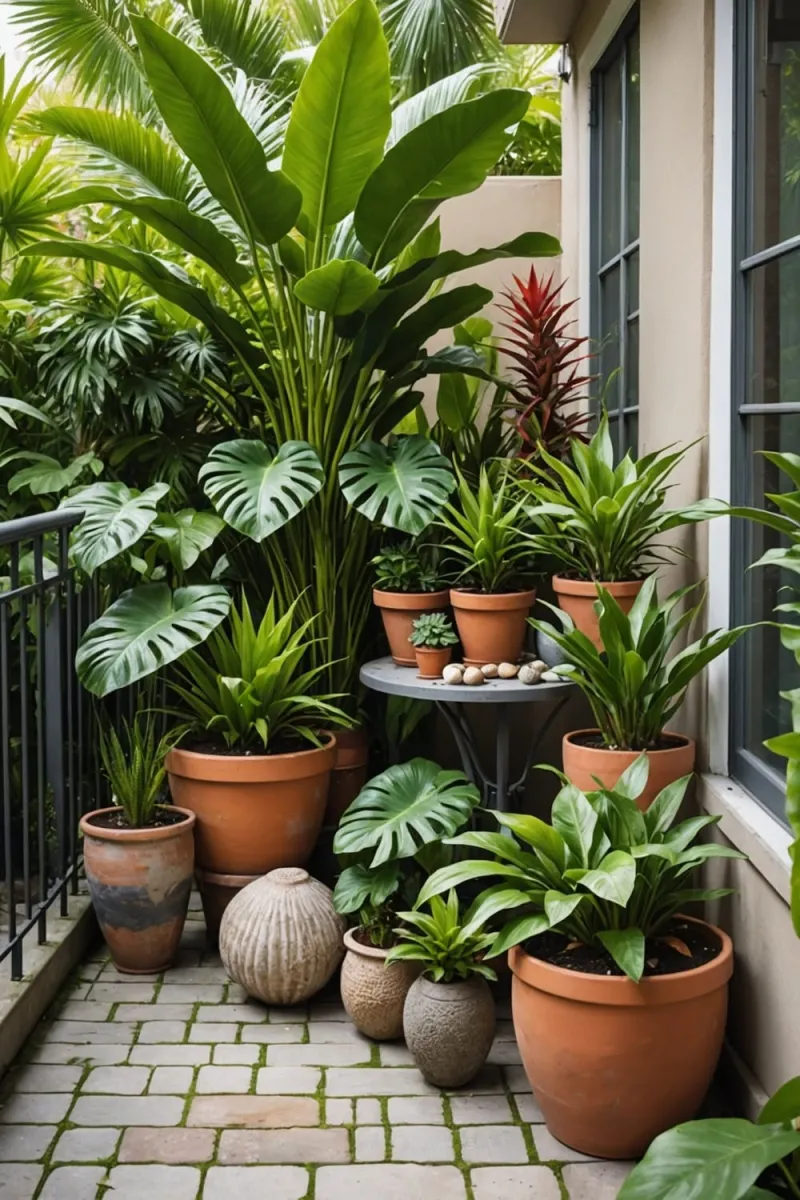
Photo: houseplants on porch outdoors summer patio potted plants, via i.pinimg.com
Every spring, plant parents across the US get the same itch. The frost date passes, the garden centers fill up, and suddenly that pothos on your bookshelf looks like it deserves a vacation. Moving houseplants outdoors for the summer — what gardeners call 'summering' — is one of the best things you can do for your plants. More light, real airflow, rainwater, and a bump in humidity can turn a mediocre specimen into a showpiece by September.
But like any study-abroad program, it only works with preparation. Send your plants off unprepared and they'll come back sunburned, bug-ridden, or worse. Here's the full syllabus.
Orientation: Why the Outdoors Is a Different Campus
Indoors, even your brightest window is a fraction of the light a shaded patio gets. Outside, light is unfiltered, temperatures swing, wind pulls moisture out of leaves, and the pest population is far more ambitious than the occasional fungus gnat.
That's the whole point — those conditions push growth — but it means you can't just carry pots outside on a Saturday and call it done. Transition is the assignment.
Week One: Hardening Off (The Orientation Week)
Hardening off is the process of gradually acclimating plants to outdoor conditions. Rush it and you'll see bleached or crispy leaves within days — sunburn on a plant is real and permanent.
Follow this schedule:
- Days 1–3: Place plants in full shade outdoors for 2–3 hours, then bring them back in.
- Days 4–6: Extend to half a day in dappled or morning sun.
- Days 7–10: Work up to full days in their final summer spot.
Even sun-loving plants like figs and jade need this ramp-up. Shade-dwellers like calatheas, ferns, and most aroids should never see direct sun at all — their summer spot is a porch, under a tree, or on the north side of the house.
Choosing the Right Dorm: Matching Plants to Spots
Think of your yard as a campus with different housing options:
- Bright, indirect light (covered porch, under a pergola): Monsteras, philodendrons, pothos, orchids, ferns.
- Morning sun, afternoon shade (east-facing): Haworthias, pileas, peperomias.
- Full sun (6+ hours): Jade plants, hibiscus, citrus, bougainvillea, most herbs.
Two more rules: pots heat up fast, so dark plastic containers in full sun can cook roots — double-pot or shade the container. And elevate pots on bricks or plant stands so slugs and sowbugs can't move in underneath.
Supervision Requirements: Watering and Pests Abroad
Outdoor plants drink dramatically more. Wind and sun mean you may go from watering weekly to watering every other day. Check pots daily during heat waves — a moisture meter or your finger two inches into the soil works fine.
Then there's the pest situation. Outside, your plants join a much bigger student body: aphids, spider mites, slugs, caterpillars, and ants all enroll. Do a walkthrough every few days and check leaf undersides. A strong hose spray handles most aphids; insecticidal soap or neem covers the rest. Catch infestations early and they stay a minor elective, not a failed course.
One more heads-up: in much of the US, summer thunderstorms can dump a week's worth of rain overnight. If a pot is soggy for days, tip it or move it under cover. Drainage holes are your friend — never leave pots sitting in saucers of standing water outdoors.
The Return Trip: Re-Entry in Late Summer
Here's where most plant parents fail the final. The fall move back indoors is actually riskier than the spring move out, because you're shrinking the environment dramatically and potentially importing pests into your home.
Start 2–3 weeks before your area's first frost date (check your USDA zone — this ranges from October in the North to December in the South):
- Inspect and treat. Check stems, leaf undersides, and soil. Many growers do a preventative spray of insecticidal soap and a drench for fungus gnats before anything comes inside.
- Repot if needed — but maybe don't. You don't want to bring in soil full of hitchhikers like pill bugs or earthworms. If plants have been sitting on bare ground, consider slipping the root ball out to check, or keep the pot on a tray and let any critters surface.
- Transition light gradually. A plant that spent summer under a tree will still struggle with an indoor window. Move it to deeper shade for a week first, then bring it in.
- Expect some leaf drop. Even a perfect transition causes some yellowing as plants adjust to lower light and drier indoor air. It's normal. Don't panic-water.
- Quarantine for 2–3 weeks. Keep returning plants away from your never-left houseplants so any stowaway pests reveal themselves before they spread.
The Grade at the End of the Semester
Done right, summering outdoors gives you thicker growth, stronger stems, and often a growth spurt you can't replicate indoors. Done carelessly, it's an expensive way to lose plants you've nurtured for years.
The difference is supervision. Gradual light, daily checks, a pre-frost inspection, and a quarantine period — that's the whole curriculum. Treat the summer outdoors as a supervised program rather than a free-for-all, and your plants will come home with honors.