East, West, South, North: Enroll Your Plants in the Right Window Class
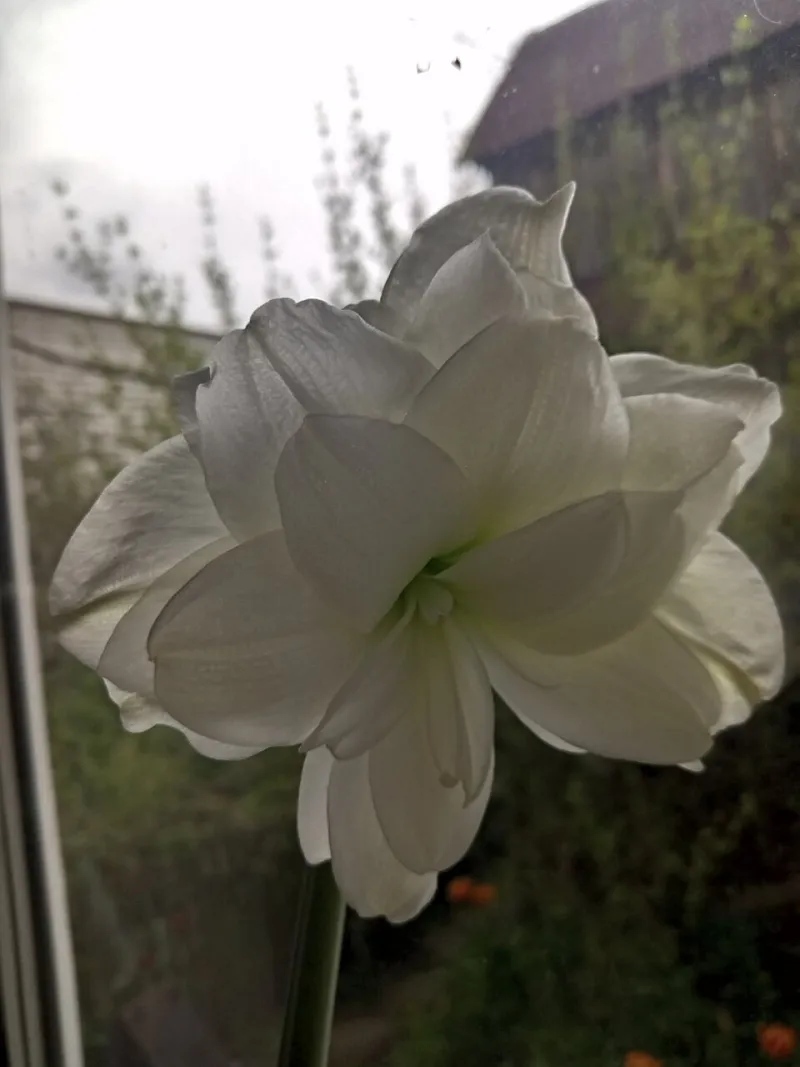
Photo: Natalka Ukraine, CC BY-SA 4.0, via Wikimedia Commons
Here's a truth nobody tells you when you bring home your first pothos: your house doesn't have light. It has four different light environments, one per compass direction, and they couldn't be more different from each other.
Think of your windows as a course catalog. Each one teaches a different class, with its own pace, workload, and difficulty level. Put a shade-loving calathea in a south-facing sill and you've enrolled a student in a class way above their pay grade. Move that same calathea to a north window and suddenly it's coasting.
Let's walk through the catalog so you can build your plant's schedule properly.
East-Facing Windows: Intro 101
If your home had only one window, you'd want it facing east.
East windows catch the morning sun — bright but gentle, arriving while the air is still cool. Plants get three to four hours of direct light, then settle into bright, indirect glow for the rest of the day. No scorching, no drama, no prerequisites.
This is the window for:
- Pothos and philodendrons — they'll grow steadily without complaint
- Calatheas and marantas — the ones who curl and crisp elsewhere
- Ferns — Boston, rabbit's foot, whatever's on your wishlist
- Begonias — especially the rex varieties with the fancy painted leaves
If you're ever unsure where a new plant goes, start it east. You can always transfer it later once you've learned its personality.
South-Facing Windows: Advanced Placement
South light in the US is the real deal — long hours of direct sun from late morning through afternoon, especially in winter when the sun drops low and beams straight into the room.
This is the window where succulents, cacti, jade plants, and citrus trees earn their diplomas. It's also where beginners accidentally cook their plants, because south light is intense. Leaves pressed against the glass can burn in a single afternoon in July.
Enroll these students in the south window:
- Echeveria, haworthia, and other sun-loving succulents
- Jade plants and other thick-leaved crassula
- Fiddle-leaf figs — they'll reward you with real growth
- Herbs — basil and rosemary will actually survive indoors here
One caveat: in summer, a sheer curtain turns this window from bootcamp into a manageable elective. Use it freely.
West-Facing Windows: The Afternoon Intensive
West windows are sneaky. Mornings feel unremarkable, then the sun swings around and delivers hot, direct light for the last few hours of the day — right when your home is warmest.
Think of west light as a compressed version of south light. It suits many of the same plants — succulents, jade, string of pearls — but the heat spike means you'll want to keep leaves a little further back from the glass. It's also a great spot for flowering plants like hibiscus or a kalanchoe that need strong light to bloom but can't quite handle a full southern load in midsummer.
North-Facing Windows: Remedial (in a Good Way)
North windows get the bad reputation, but "remedial" doesn't mean "failing" — it means low-key, steady, and forgiving. North light is soft and indirect all day. No sun ever touches the glass directly.
Plants that thrive here are the ones that evolved under forest canopies:
- Snake plants — practically indestructible here
- ZZ plants — will tolerate north light plus your forgetfulness
- Cast iron plants — the name is not a marketing gimmick
- Peace lilies — they'll even flower in this low light
What north windows can't do is support high-light plants. A succulent here stretches and slouches like a student who skipped every lecture. Match the plant to the class.
The Self-Quiz: Which Window Does Your Plant Need?
Answer these three questions and you'll have your answer in under a minute.
1. What do the leaves look like? Thick, waxy, or fleshy leaves usually signal high light needs (south or west). Thin, big, or papery leaves usually signal shade tolerance (east or north).
2. What's your skill level with this plant? New plant, new to you? Default to east. You can graduate it to a brighter window once it settles in.
3. What happened last time? Crispy, bleached, or curling leaves mean too much light — drop down a level. Leggy growth, small new leaves, or a plant leaning desperately toward the glass means move it up a level.
That's the whole system. Light down for burn, light up for stretch.
A Note on Seasons and Hemispheres
Two quick footnotes for your syllabus. First, the sun's angle changes with the seasons — a window that's bright all summer can go dim in December, so expect to shuffle plants around when winter arrives. Second, this guide assumes the Northern Hemisphere (which covers everyone in the US). If you ever read plant advice from Australia, flip the compass: their north windows are the sunny ones.
Your Homework This Week
Walk your home with your phone's compass app open. Label each window: intro, advanced, intensive, or remedial. Then look at your plants — really look — and ask whether each one is enrolled in the right class.
You'll probably find at least one student in the wrong room. Move it, give it a couple of weeks, and watch what happens. That's not luck. That's just good academic advising.