Fluorescent Lights and Three-Day Weekends: Keeping Your Desk Plant Alive Through the 9-to-5
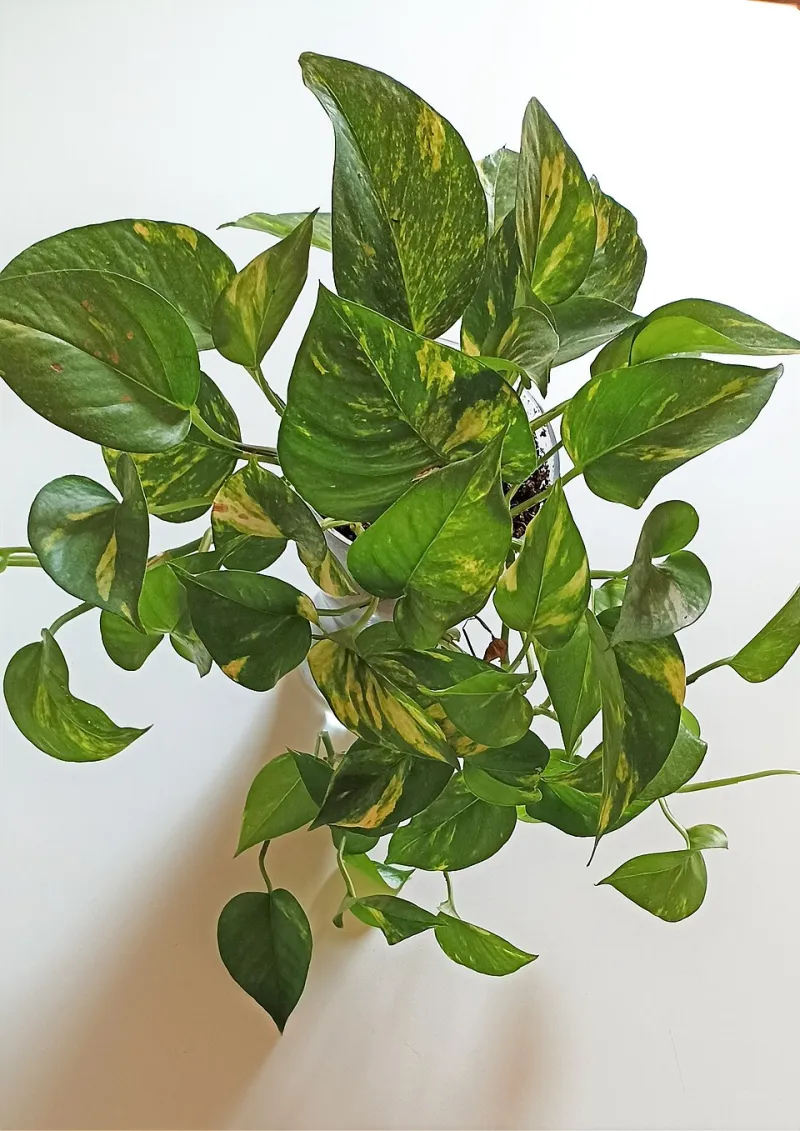
Photo: Sibilla Ferroni, CC BY-SA 4.0, via Wikimedia Commons
Somewhere between your first job and your current one, you probably brought a plant to work. And somewhere between Friday at 5 p.m. and Tuesday morning, it quietly gave up.
You're not alone. The office is one of the harshest growing environments most houseplants will ever face — and almost nobody talks about it. At home, you control the blinds, the thermostat, the watering schedule. At work, you're dealing with whatever overhead lighting your building manager chose in 1998, air conditioning that runs like a wind tunnel, and a Friday-to-Monday gap where nobody's checking on anything.
Consider this your elective course in workplace plant care. No prerequisites required.
Why the Office Is a Hostile Campus
Let's start with the environment, because most desk-plant deaths get misdiagnosed as "bad luck" when they're really predictable consequences.
Light: That fluorescent panel above your head feels bright to human eyes, but plants measure light differently. Most office overhead lighting delivers a fraction of the intensity of even a north-facing window. To a plant, a windowless cubicle is basically a dim closet.
Air: Commercial HVAC systems push dry, temperature-fluctuating air around the clock. Leaves lose moisture faster, soil dries unevenly, and tropical plants that like humidity get blasted with the indoor equivalent of a desert breeze.
Schedule: Here's the kicker — offices shut down for three-day weekends, holidays, and long PTO stretches. A plant that needs water every five days doesn't care that Monday was Presidents' Day.
Once you understand these three stressors, the rest of this guide is just engineering around them.
Picking Plants That Can Handle the Curriculum
Not every houseplant belongs at a desk. You want species that tolerate low light, shrug off dry air, and forgive a long weekend. Your honor roll:
- Pothos (Epipremnum aureum): The valedictorian of office plants. Handles dim corners, erratic watering, and dry air without complaint. Trail it along your desk edge for bonus style points.
- Snake plant (Dracaena trifasciata): Practically tenure-track. It stores water in its leaves and can go two weeks or more between drinks. If your cubicle has zero windows, this is your plant.
- ZZ plant (Zamioculcas zamiifolia): Similar constitution to the snake plant — waxy leaves, rhizomes that hoard moisture, total indifference to fluorescent lighting.
- Philodendron heartleaf: Nearly as forgiving as pothos, with a slightly more refined look. Great for shelves.
- Cast iron plant (Aspidistra elatior): The name says it all. Slow-growing, unkillable, and happy in gloom.
- Lucky bamboo (Dracaena sanderiana): Grows in a vase of water, which buys you extra time between care sessions.
Plants to skip at work: succulents (they need real sun — a cubicle is a slow-motion succulent tragedy), ferns (humidity demands you can't meet), and anything flowering, which needs far more light than most offices provide.
The Long-Weekend Watering Playbook
Extended absences are where desk plants go to fail. Three tactics that actually work:
1. Water deeply before you leave. Friday afternoon, give the plant a thorough soak until water drains from the bottom. Most low-light office plants use water slowly, and a full soak often carries them through a long weekend on its own.
2. Deploy a simple wick. Cut a length of cotton string or shoelace, bury one end a couple of inches into the soil, and run the other end into a jar of water set beside the pot. Capillary action pulls water over as the soil dries. It's a $0 self-watering system, and it'll cover you for a week or longer.
3. Downsize your expectations, not just your pot. Smaller pots dry out faster, which is the opposite of what you want at a desk you leave for days. A slightly larger pot with a well-draining mix gives you a moisture buffer.
One thing to avoid: leaving plants sitting in a full saucer of water "just in case." Soggy roots kill faster than dry roots, and nobody's there to notice the smell.
Grow Lights at Your Desk (Without a Meeting with HR)
If your workspace is genuinely windowless, no plant selection will fully compensate — you'll need supplemental light. The good news: modern grow lights have gotten office-friendly.
What to look for: A small full-spectrum LED, ideally under 20 watts, on an adjustable gooseneck or clamp. Many now come in warm white rather than purple-pink, so they read as "nice desk lamp" rather than "hydroponic laboratory."
How to set it up: Clamp it to a shelf or the edge of your desk, positioned 6 to 12 inches above the plant, running 8 to 12 hours a day. A cheap outlet timer handles the schedule so you don't have to remember anything.
The diplomatic approach: Frame it as task lighting. Plenty of LED grow lamps are marketed as "plant lamps" that double as reading lights — because they are. If anyone asks, you're improving your workspace ambiance and air quality. Both claims are defensible; studies going back to the classic NASA research show plants can modestly improve indoor air, and biophilic office design is genuinely linked to better mood and focus. Your plant is a wellness initiative. Put that in writing if you have to.
Your Office Plant Maintenance Schedule
Here's the whole course condensed to a weekly checklist:
- Monday morning: Check soil moisture with your finger. If the top inch is dry, water thoroughly.
- Midweek: Rotate the pot a quarter turn so the plant grows evenly toward whatever light it's getting.
- Friday: Dust leaves with a damp cloth — office dust blocks the limited light your plant is fighting for. Top off any wick reservoir.
- Before any long weekend: Deep soak, check the wick, and move the plant as close to whatever window exists as possible.
- Monthly: Inspect for pests. Office plants near doors and shared spaces pick up fungus gnats and spider mites more often than you'd think.
Extra Credit
Once your first desk plant survives a full quarter, propagate a cutting and pass it to a coworker. You'll build a little study group of office gardeners — and when vacation season hits, you'll have someone to trade watering duty with. That's the kind of peer tutoring that benefits everyone's GPA.
The office doesn't have to be where plant parents go to fail. Pick the right species, hack the long weekend, and add light where the building won't. Your cubicle can be a greenhouse — a modest one, but a thriving one.