One Leaf, One Month: The Best Class You'll Ever Take Is Already Growing on Your Windowsill

Photo: Basile Morin, CC BY-SA 4.0, via Wikimedia Commons
Every plant parent eventually gets the notification: a tiny bump on the stem, a tightly rolled spike of green, the unmistakable start of a new leaf. Most of us celebrate for a second, snap a photo, and move on. Big mistake.
That one leaf is the most personalized care guide you'll ever own. It was written by your light, your watering habits, your home. And unlike a blog post, it can't lie to you.
Why a Single Leaf Is Worth a Month of Your Attention
Here's the thing about new growth: it's a delayed broadcast. The leaf your monstera is pushing out right now was set in motion weeks ago, under the conditions that existed then. So when it finally unfurls, you're essentially receiving a graded report on how things have been going.
That makes watching a leaf from bump to full unfurl the closest thing houseplant care has to a real-time feedback loop. It takes most houseplants somewhere between two and five weeks to complete the process, which is the perfect length for a self-guided course.
Week One: Reading the Rollout
The first lesson is pacing. A leaf that emerges quickly and steadily usually means conditions are solid — consistent light, steady moisture, roots doing their job. A leaf that stalls halfway, sitting half-rolled for two weeks, is telling you something changed. Maybe a heat vent kicked on. Maybe you moved the pot. Maybe you've been inconsistent with water.
Grab your phone and take a photo every few days from the same angle. By week's end you'll have a time-lapse that reveals more than any single glance ever could.
Week Two: The Color Commentary
As the leaf expands, color becomes your second instructor.
- Pale, almost yellow-green new growth on an otherwise healthy plant is often normal — many plants push out chlorophyll-later leaves. But if it stays pale, that's a light or nutrient note.
- Deep, rich color from the start suggests your light levels are on point.
- Brown edges forming as it unfurls can point to low humidity or inconsistent watering — very common in American homes once the furnace runs in fall and winter.
- Tears, sticking, or a deformed shape often mean the leaf emerged during a rough stretch: a dry week, a cold draft, a missed watering while you traveled.
None of these are verdicts. They're footnotes for next time.
Week Three: Sizing Up the Syllabus
Here's the comparison that matters: hold the new leaf up against the one before it. Same size? Bigger? Smaller?
A plant that produces slightly larger leaves each cycle is telling you it's happy and getting enough light. A plant producing progressively smaller leaves — a classic pothos and philodendron pattern — is usually asking for more brightness. This one comparison is worth more than any fertilizer purchase. It tells you whether the plant is trending up or quietly coasting downhill.
Week Four: The Final Exam
Once the leaf is fully open, take stock. Ask yourself:
- How long did the whole process take compared to the last leaf?
- Did the color match what I expected?
- Is it the same size, bigger, or smaller than its predecessor?
- Did anything change in my routine during that window?
Your answers are the exam — and the study guide for the next growth cycle. If the leaf came in fast, full, and green, do more of whatever you did. If it stalled or came in small, adjust one variable (light is the usual suspect) and watch the next leaf for the verdict.
The Habit That Compounds
The real graduation gift here isn't one leaf's worth of insight. It's the habit. Plant parents who check new growth weekly start noticing things earlier: the first scale insect, the slight yellowing of a lower leaf, the roots peeking from a drainage hole. Diagnosis gets easier because you've seen the baseline.
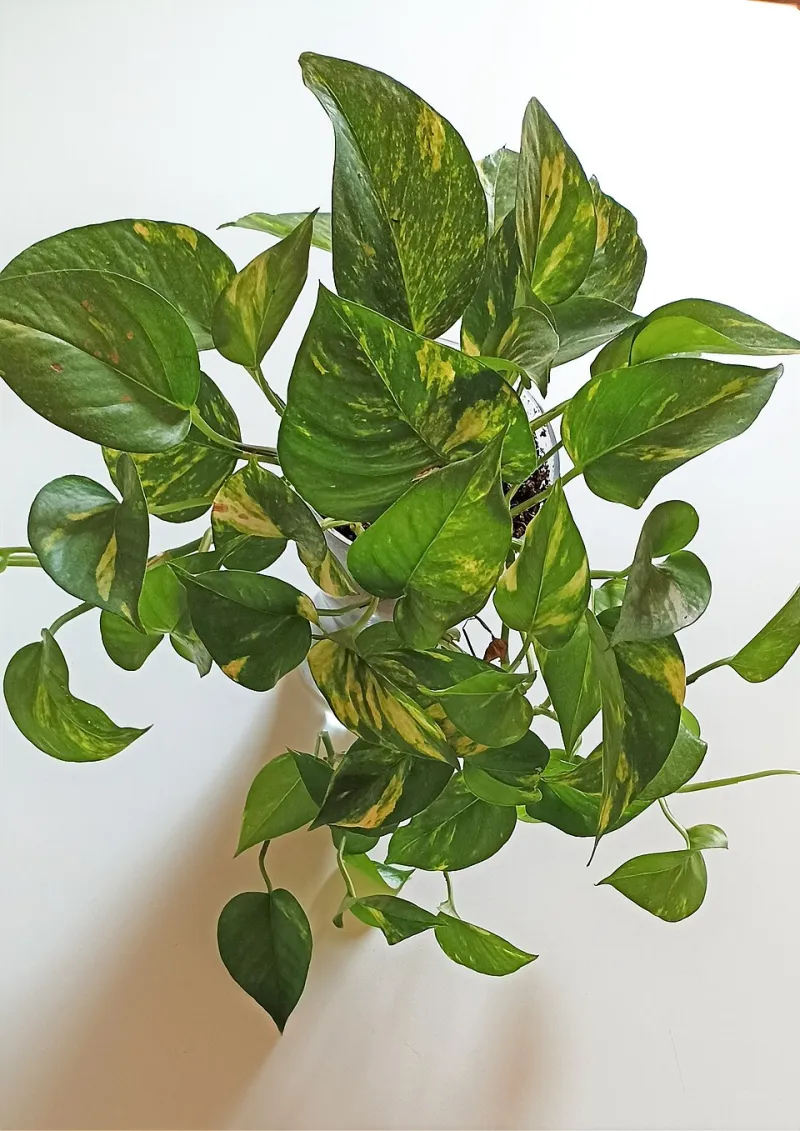
So pick one plant — ideally a fast, forgiving grower like a pothos, philodendron, or Tradescantia — and commit to watching its next leaf for a full month. Notes optional. Photos recommended.
No tuition. No textbook. Just a leaf, a little patience, and the best lesson your windowsill will ever teach.